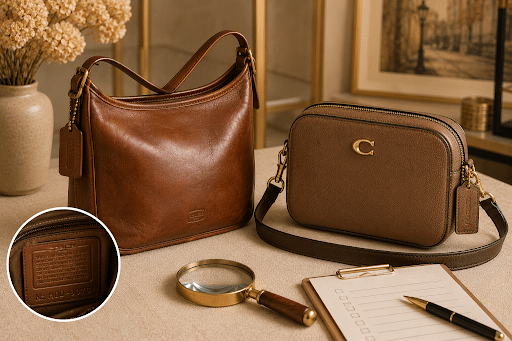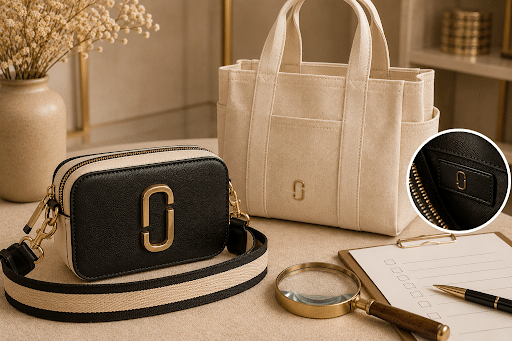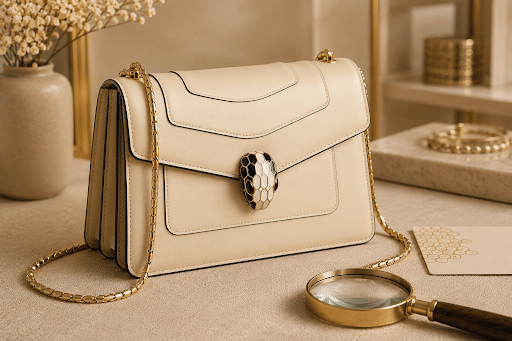

Condition Grading Pre-Owned Handbags: What Does Excellent Condition Mean?
Condition grading pre-owned handbags, what does excellent condition mean, preloved bag condition guide—these are some of the most important questions to ask before buying or selling a luxury handbag online. “Excellent condition” can mean one thing on eBay, another on The RealReal, and something slightly different again on Fashionphile or Vestiaire Collective. That ambiguity matters because a single grade difference can change the value of a bag by hundreds or even thousands of dollars.
For buyers, understanding condition grades helps prevent overpaying for a bag with hidden wear. For sellers, accurate grading builds trust and reduces returns. This preloved bag condition guide breaks down the most common luxury handbag grades—Mint, Excellent, Very Good, Good, Fair, Poor, and Restored—using the same observable details professional resellers look for.
Mint / Pristine / Store-Fresh
A Mint, Pristine, or Store-Fresh handbag should appear unused or used only once or twice. Under normal lighting—and even under close inspection—the bag should show no meaningful signs of wear. This is the highest standard in the resale market and is usually reserved for bags that look almost exactly like they did at purchase.
Hardware should be flawless or nearly flawless. The gold standard is original plastic still attached to feet, buckles, turnlocks, logo plates, or protective hardware areas. However, missing plastic does not automatically disqualify a bag from being Mint if the hardware itself is clean and free of visible scratches.
- No corner rubbing, darkening, color loss, or leather thinning
- Interior is clean with no pen marks, makeup transfer, lint buildup, or odor
- Leather retains original sheen, texture, and structure
- No slouching beyond the bag’s intended design
- All original accessories are typically expected
Accessories matter most at this grade. A truly store-fresh bag should include the dust bag, box, care booklet, receipt or original tag when available, and style-specific pieces such as a Hermès lock and clochette, Chanel authenticity card for older bags, or detachable mirror for certain silhouettes.
Pricing for Mint bags is typically around 85–95% of retail for current, in-production styles. For hard-to-source or discontinued bags, such as certain Hermès Birkin and Kelly styles or sought-after Chanel Classic Flaps, Mint condition can even command above-retail resale pricing.
Excellent Condition
Excellent condition is where many buyers get confused. In professional resale terms, Excellent usually means light, even wear from occasional use over roughly 6–18 months. The bag should have no structural issues, no major stains, no repairs, and no obvious flaws that distract from its appearance.
Acceptable signs of Excellent condition may include faint corner wear with no leather loss, minor micro-scratches on hardware visible only at certain angles, or slight handle softening on structured bags. These signs should be subtle and consistent with careful ownership.
- Very faint corner wear, but no exposed leather core or piping damage
- Minor hardware scratches only visible in angled light
- Light handle softening but no severe darkening
- Interior may show light lint or one or two very small marks
- No pen, ink, oil, perfume, smoke, mildew, or pet odor
The leather should be free from cracking, peeling, sticky surfaces, or heavy color transfer. Piping should remain intact, and closures such as zippers, turnlocks, clasps, and magnets should function smoothly.
Most original accessories should be present in Excellent condition. A dust bag is generally expected, while the box, receipt, care card, or shopping bag are nice bonuses but not always required.
For current styles, Excellent condition bags often sell for about 65–80% of retail. Iconic discontinued styles may hold stronger value and can sometimes sell for 90% or more of comparable retail, especially when the color, size, or hardware combination is desirable.
Expert Tip #1: When comparing two bags listed as Excellent, zoom in on the corners, handles, and hardware—not the front-facing beauty shot. Professional sellers know the front photo sells the bag, but the true condition grade usually lives in the wear points.
Very Good Condition
Very Good condition describes a bag with visible but moderate signs of regular use, often over 2–4 years. The bag should still be fully functional, attractive, and wearable, but the wear is noticeable at normal viewing distance.
This is one of the most common categories in the resale market because many luxury bags are used regularly but still cared for well. A Very Good bag is not flawless, but it should not have serious structural damage.
- Light to moderate corner wear, possibly with minor leather thinning
- Hardware scratches visible without special lighting
- Slight handle darkening from hand oils
- Minor stains, lint, or light pen marks inside
- Small surface scratches or light color transfer on leather
Structured bags may show slight slouching, especially on styles that soften naturally over time. Light-colored bags may show subtle color transfer from denim or dark clothing. These issues can still fit within Very Good condition if they are disclosed and not severe.
Closures are important. A zipper should glide smoothly, a turnlock should close securely, and magnetic snaps should still align properly. A sticky zipper, loose clasp, or weakened closure can drop a bag below Very Good, even if the exterior looks nice.
Pricing usually falls around 45–65% of retail. This is often where buyers find the best balance between savings and quality, and it is also where most negotiation happens.
Good, Fair & Poor — The Lower Tiers
Good condition means the bag has heavy but generally even wear. It is still functional, but the wear is obvious. These bags are often described as “great daily users” because they still have life left but are no longer collector-grade.
- Good: Corners may show leather loss or touch-up paint. Handles may be visibly darkened, softened, or misshapen. Hardware may have significant tarnish or scratching. Pricing is often around 30–45% of retail.
- Fair: The bag has significant wear, such as cracking leather, peeling coated canvas, stained interiors, repaired parts, or replaced components. Pricing often falls around 20–30% of retail.
- Poor / Project Bag: The bag may have structural damage, broken hardware, delaminating lining, mold, pet damage, or missing pieces. These are usually sold for restoration, parts, or display and may be priced around 10–20% of retail.
Restored bags should be treated as a separate category. A restored handbag may have been professionally repainted, re-dyed, relined, re-stitched, or fitted with replacement hardware. Restoration is not automatically bad, but it must be disclosed. Reputable sellers clearly state when a bag has been altered because restoration can affect long-term value and collectability.
Vintage bags deserve special context. A pre-1990s Hermès Kelly, Chanel Diana, or vintage Gucci shoulder bag should not be graded by the same expectations as a 2022 bag. Light patina, softened leather, and gentle hardware aging may be acceptable for vintage pieces, especially when the bag remains structurally sound.
Regional grading can also vary. European platforms such as Vestiaire Collective may grade slightly stricter than some U.S. platforms. When comparison shopping internationally, it is smart to mentally adjust by a half grade and study the photos carefully.
What to Do If You’re Unsure
When a condition grade feels vague, ask for more information before purchasing. A trustworthy seller should be willing to provide clear, close-up photos and answer specific questions about wear.
- Request 8–12 photos, including all four corners, both handles, hardware, interior bottom, interior sides, and any mentioned flaws
- Ask for close-ups in natural light, not only studio lighting
- Request a coin, ruler, or measuring tape next to scratches, stains, or marks for scale
- Ask whether the bag has odor, stickiness, cracking, peeling, or prior repairs
- For purchases over $1,500, consider a paid condition review from an independent authenticator
Expert Tip #2: If two platforms disagree on the grade, use the stricter grade for your own valuation. If a seller calls a bag Excellent but the photos look Very Good, price it like Very Good. That approach helps you avoid overpaying.
This is especially important when using a condition grading pre-owned handbags, what does excellent condition mean, preloved bag condition guide as a buying checklist. The grade is only useful when it matches the actual evidence in the photos.
Summary: Condition Grades Protect Your Purchase
Understanding handbag condition grades makes you a smarter buyer and a more trustworthy seller. Mint and Pristine bags should look nearly unused. Excellent condition allows only light, careful wear. Very Good means visible but moderate signs of use. Good, Fair, and Poor bags may still be wearable or restorable, but they should be priced accordingly.
The best rule is simple: trust the details, not just the label. Photos, hardware, corners, handles, interiors, scent, structure, and disclosure all matter. Use this condition grading pre-owned handbags, what does excellent condition mean, preloved bag condition guide whenever you compare listings or price your own luxury handbag for resale.
Ready to shop beautiful pre-loved designer bags with confidence? Explore our curated collection at BarbeeDreamhouse.com and find your next luxury handbag with style, value, and peace of mind.